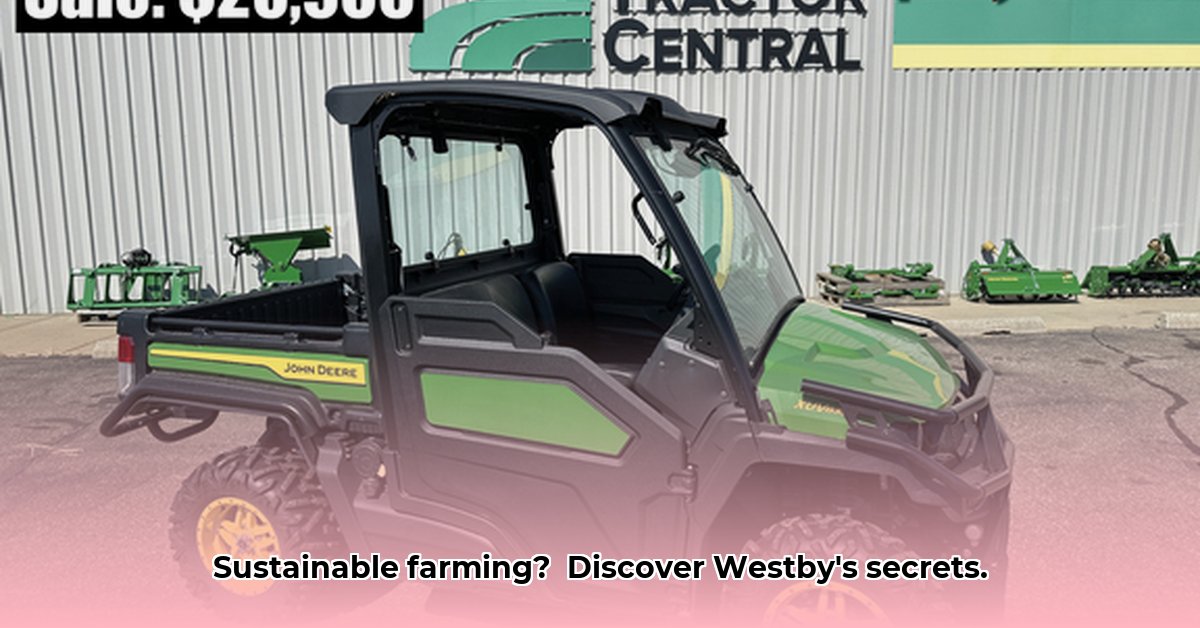
A Case Study: Assessing and Enhancing Sustainability in Westby Agriculture
Tractor Central, a fixture in Westby's agricultural community, provides equipment and services to local farmers. This case study analyzes their current practices, assesses their contribution to sustainable agriculture, and offers actionable recommendations for improvement. The findings highlight opportunities for Tractor Central to enhance its environmental stewardship and solidify its role as a leader in promoting sustainable farming practices within the Westby region. For more information on sustainable equipment options, check out this resource on electric compact tractors.
Current Practices: A Foundation of Reliability
Tractor Central's reputation is built on dependable equipment and exceptional customer service. Features like extended warranties (up to 10 years on compact tractors) and readily available after-hours support minimize equipment downtime, a significant factor in maximizing farm efficiency and minimizing resource waste. The dealership also emphasizes precision agriculture technologies, including GPS-guided machinery and advanced soil sensors. These tools, when properly used, can optimize fertilizer and water usage leading to improved resource efficiency and higher yields. However, the extent to which Tractor Central actively promotes the sustainable benefits of these technologies, and provides training on best practices, requires further investigation. A gap in readily available information regarding their environmental impact assessments and broader sustainability initiatives limits a complete assessment.
Sustainability Assessment: Identifying Strengths and Opportunities
While Tractor Central indirectly supports sustainable agriculture through its product offerings (e.g., precision agriculture equipment), a more explicit and proactive approach is needed. Currently, a lack of publicly available data related to their environmental performance hinders a comprehensive evaluation. This lack of transparency presents an opportunity for improvement.
Strengths:
- Reliable Equipment & Service: Extended warranties minimize equipment waste and downtime, indirectly promoting sustainability.
- Precision Agriculture Technology: Offering GPS-guided machinery and soil sensors enables farmers to optimize resource use.
- Strong Customer Relationships: Committed customer service fosters trust and ensures farmers make informed choices.
Weaknesses:
- Lack of Transparency: Absence of a publicly available sustainability report makes it difficult to assess their commitment to environmental stewardship.
- Limited Educational Initiatives: Insufficient training and support for sustainable farming practices limits the potential impact of their technology offerings.
- Unspecific Environmental Goals: The absence of quantified targets related to carbon emissions, waste reduction, and ethical sourcing hinders progress measurement.
Recommendations: A Path Towards Enhanced Sustainability
To enhance its sustainability profile, Tractor Central should implement the following recommendations:
1. Publish a Comprehensive Sustainability Report: This report should detail specific, measurable, achievable, relevant, and time-bound (SMART) goals concerning carbon footprint reduction, waste management, ethical sourcing of materials, and employee engagement in sustainability initiatives. Regular updates should be provided to demonstrate transparency and accountability.
2. Partner with Local Sustainability Organizations: Collaborating with local agricultural organizations and research institutions will provide valuable expertise, access to best practices, and potential grant opportunities related to improving sustainability.
3. Invest in Farmer Education and Training: Offer workshops, seminars, and online resources on sustainable farming methods, demonstrating the practical benefits of using precision agriculture tools and other eco-friendly practices. This proactive engagement strengthens farmer adoption of sustainable techniques.
4. Explore Alternative Fuel Options: Investigate and promote the availability and viability of biodiesel and—where appropriate—electric tractors, providing farmers with informed choices about lower-emission equipment solutions.
5. Implement a robust waste management strategy: This could include recycling programs for packaging and used parts, as well as exploring options for compostable or biodegradable materials.
6. Conduct Life Cycle Assessments (LCAs): Assess the environmental impact of their entire product lifecycle, from manufacturing to disposal, to identify areas for further improvement. This data can be incorporated into their sustainability report.
Conclusion: A Collective Commitment to a Sustainable Future
Tractor Central holds a prominent position within Westby's agricultural landscape. By proactively addressing the identified opportunities, they can significantly enhance their contribution to sustainable agriculture. A collaborative approach that involves collaboration with farmers, stakeholders, and relevant organizations is essential to achieving lasting positive environmental impact and building a more sustainable and prosperous agricultural future for Westby. The adoption of these recommendations strengthens Tractor Central's reputation while creating a positive impact on both the economy and environment. The ultimate success lies in their active commitment to implementing these strategies and fostering a shared vision of environmental stewardship.